

Investing in cars can be risky. While some models appreciate, others depreciate rapidly, leaving investors with significant losses.
Contrary to popular belief, the Taycan isn’t the biggest loser when it comes to depreciation.
- Nissan Leaf
The Nissan Leaf, once a pioneer in the electric vehicle market, has seen significant depreciation. After three years or 36,000 miles, it retains approximately 26.97% of its original value, dropping from an average new price of £29,290 to a resale value of around £7,900. - Vauxhall Mokka-E
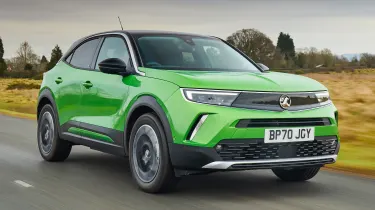
This electric SUV experiences a substantial drop in value over three years. With an initial price of £42,045, it retains about 28.30%, equating to a resale value of approximately £11,900. - DS 3 E-Tense
The DS 3 E-Tense, despite its stylish design, depreciates rapidly. After three years, it holds around 28.32% of its original value, decreasing from £39,200 to about £11,100. - Maserati Levante
This luxury SUV sees a significant depreciation, particularly in the V8 Trofeo variant. Originally priced at £143,225, it retains approximately 29.13% of its value after three years, resulting in a resale value of around £41,725. - Audi A8
The Audi A8, a flagship luxury sedan, experiences notable depreciation. With a starting price of £96,165, it retains about 30.16% of its value over three years, leading to a resale value of approximately £29,000.

Here are five reasons why these cars have proven to be poor investments in the UK, and the reasons behind their decline.
1. Certain Diesel Models (Post-2015):
- Why: The diesel emissions scandal and subsequent government policies targeting diesel vehicles have drastically reduced their resale value. In the UK, clean air zones and increased taxes have made diesel cars less desirable.
- Impact: Previously popular diesel saloons and SUVs have seen significant depreciation, particularly those with older emissions standards.
2. Overpriced Luxury SUVs (With High Running Costs):
- Why: While luxury SUVs are initially appealing, high running costs (fuel, insurance, maintenance) and rapid model refreshes can lead to steep depreciation.
- Impact: Models with complex electronics, large engines, and a reputation for unreliability can lose a substantial portion of their value within a few years.
3. Cars With Poor Reliability Records:
- Why: In the UK, reliability is a major concern for buyers. Cars with frequent breakdowns and expensive repairs quickly lose their appeal.
- Impact: Models with consistently low ratings in reliability surveys (like those published by Which? or Warranty Direct) suffer from poor resale values.
4. Cars With Outdated Technology:
- Why: The rapid pace of technological advancement means that cars with outdated infotainment systems, safety features, or connectivity options quickly become obsolete.
- Impact: Cars lacking features like Apple CarPlay/Android Auto, advanced driver-assistance systems (ADAS), or efficient hybrid/electric powertrains struggle to compete.
5. Cars With Niche Appeal (And Limited Practicality):
- Why: While some niche cars may hold their value, others with limited practicality and a small target market can depreciate rapidly.
- Impact: Cars with unusual styling, limited interior space, or poor fuel economy may struggle to find buyers in the UK’s diverse market.
Key Takeaways:
- Research is Crucial: Before investing, thoroughly research a car’s reliability, running costs, and market trends. Tutbo Treasury will give you picks, both old an new so stay tuned to our social media for advice.
- Consider Future Trends: Consider evolving regulations and consumer preferences, such as the shift towards electric vehicles.
- Avoid Overpriced Models: Be wary of cars with inflated initial prices, as they are likely to depreciate more significantly.
- Reliability Matters: A car’s reliability is a key factor in its long-term value.
By understanding the factors contributing to depreciation, you can make more informed car investment decisions and avoid costly mistakes.
